


What Homeowners Should Know Before Scheduling Carpet Installation: A Practical, No-Nonsense Resource.

Many homeowners begin researching carpet installation for homeowners because they want to understand the process before scheduling their project. Learning how installation works, what to expect on installation day, and how to prepare each room makes the entire experience smoother and ensures better long-term results.
This resource focuses on everything that happens before installation day—the steps that determine how good your carpet will look, how long it will last, and whether you’ll be happy with your investment years down the road. Unlike other articles that focus on cleaning, repair, or carpet cost, this one aims to help you think like a professional before committing to new carpet.
If you’re also thinking ahead about what happens after installation—how to properly clean, maintain, and protect your floors over time—click here to read our complete guide on floor care for California homeowners.
1. Why Carpet Still Matters: Understanding the Role It Plays in a Home.
Carpet has evolved significantly. Today’s innovations have made it more durable, more stain-resistant, more hypoallergenic, and more design-flexible than carpets from years ago. But beyond its materials and construction, carpet fills essential roles in a home:

Comfort and warmth: perfect for bedrooms, playrooms, and family living areas.
Sound control: ideal for multi-story homes or apartments.
Safety: softer landings for little kids and older adults.
Design: color and texture can reshape the overall atmosphere of a room.
This matters because understanding why you’re choosing carpet helps determine the right type, the right padding, and the right installation style.
2. How to Choose the Right Carpet for Your Needs (Beyond the Basics).
Most guides talk about fibers and styles—but choosing the right carpet goes far deeper than that. The real decision-making begins with your lifestyle and the performance you expect.
Homes with pets require special consideration when choosing carpet and planning long-term care. Click here to learn how to keep carpets clean with pets and extend their lifespan.
A. Think about long-term durability, not just softness
A plush carpet feels amazing on day one but may not hold up in hallways or stairs. Meanwhile, a dense loop carpet can outperform a soft cut-pile carpet in busy family homes.
Understanding durability also helps you avoid costly mistakes later. If you want to understand when carpet damage can be repaired versus when replacement is necessary, click here to learn the difference.

B. Match your carpet to the room’s function
Bedrooms: softness wins
Living rooms: durability + comfort
Stairs: low-profile, tightly constructed carpet
Home office: low pile to avoid chair tracks
C. Consider color psychology
Warm neutrals create coziness, dark tones add sophistication, and light carpets can make a room feel bigger—though they require more care.
D. Texture matters more than people realize
Texture hides footprints, vacuum marks, and everyday wear. Homeowners who dislike constant visible impressions should avoid extremely smooth Saxony carpets.
This stage is crucial because the better aligned your carpet choice is with your lifestyle, the happier you'll be—not just on installation day but five years later.
3. Preparing Your Home for Carpet Installation: The Steps Nobody Talks About
Before installers arrive, the homeowner’s preparation affects how efficient, clean, and seamless the process will be.
Preparation also includes asking the right questions before hiring an installer. Click here to see the essential questions every California homeowner should ask before scheduling carpet installation.

A. Declutter strategically
Removing small items makes a significant difference. Installers often recommend clearing:
Lamps
Electronics
Toys
Décor
Books
Small tables and chairs
It speeds up the process and protects your belongings.
Proper preparation helps avoid delays—but understanding installation timelines and costs is just as important. Click here to learn how much carpet installation costs in California and how long the process typically takes.
B. Plan the installation around your household routine
Carpet installation temporarily disrupts:
Bedrooms
Hallways
Living spaces
You may need temporary sleeping arrangements or workspace adjustments.
C. Address airflow and ventilation
Carpet and padding can release mild odors during the first hours. Opening windows and running fans keeps the home comfortable.
D. Prepare for noise and movement
Installers use stretchers, tack strips, knee kickers, and cutting tools—these generate noise and require space to maneuver.
Many homeowners underestimate how much preparation matters. A well-prepared home shortens the installation time and reduces stress for everyone involved.
4. What Happens During Carpet Installation (Explained Simply)
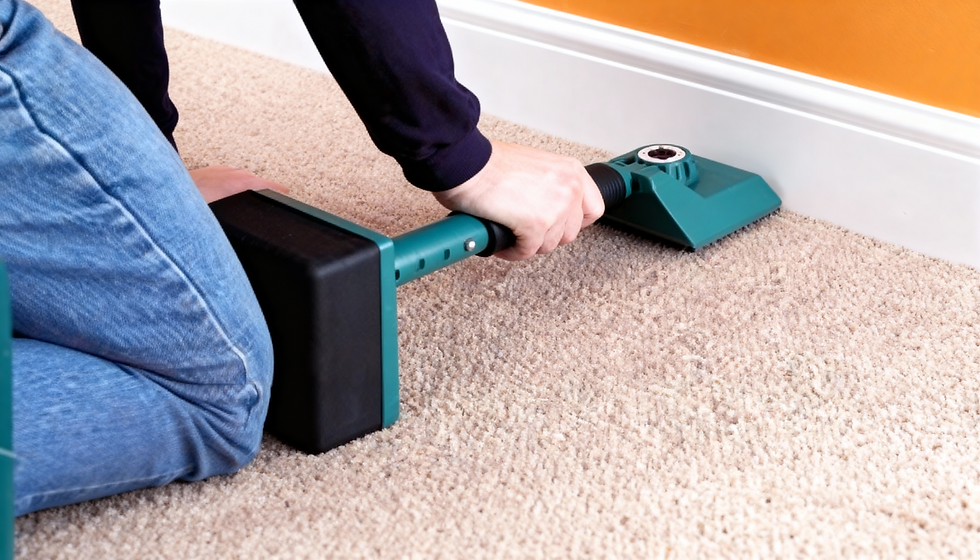
While you won’t perform the installation yourself, understanding the process helps you evaluate the quality of the work being done.
A. Carpet stretching is non-negotiable
Proper stretching prevents:
Wrinkles
Buckling
Loose sections
If an installer tries to skip power stretching and only uses a knee kicker, that’s a major red flag.
B. Padding quality determines long-term comfort
Padding affects:
Cushion
Sound
Insulation
Wear
Carpet lifespan
Good installers explain padding differences—not just sell the cheapest option.
C. Seam placement is strategic
A professional installer plans seams to make them nearly invisible and ensures they never sit in high-traffic paths.
D. Transitions should feel natural
The way carpet meets hardwood, LVP, or tile flooring matters. A clean transition means no uneven edges or exposed tack strips.
When you know what to look for, you can immediately recognize whether your installers are doing a high-quality job.
See how we perform a carpet installation ↓
5. What Affects Carpet Cost (Without Listing Prices)
We won’t mention numbers because you already have a full blog dedicated to carpet cost, but homeowners should understand the factors impacting the total.
A. Carpet fiber and construction
Higher-density carpets and premium fibers naturally cost more.
B. Padding quality
Better padding equals greater comfort and longer lifespan.
C. Installation complexity
Stairs, hallways, and angled walls require greater skill.
D. Subfloor condition
Any repairs, leveling, or prep work will influence cost.
E. Additional services
Furniture moving, disposal of old flooring, and custom transitions can affect the final amount.
Understanding these factors helps homeowners compare quotes intelligently.
6. Mistakes Homeowners Should Avoid When Scheduling Carpet Installation
Avoiding common mistakes can save money, time, and frustration.

A. Choosing carpet only by color
Color is important, but density, pile height, and fiber matter more for durability.
B. Skipping the padding upgrade
Cheap padding reduces carpet performance significantly.
C. Ignoring room-by-room needs
The best carpet for a bedroom is not the best choice for stairs or hallways.
D. Not checking installation details
Always confirm:
Stretching method
Seam placement
Subfloor preparation
Removal process
Warranty
Cleanup
E. Scheduling installation too close to major events
Give yourself margin—delays are rare but possible.
7. How to Evaluate Carpet Installers Before Hiring Them
Searches for “carpet installers near me” don’t guarantee quality. Here’s how to evaluate a professional team.
A. Ask about experience with your carpet type
Installers should be familiar with:
Loop pile
Cut pile
Patterned carpet
Thick plush carpet
And the specific fiber you chose
B. Review past work
Look for:
Straight seams
Clean transitions
Even stretching
No ripples or bumps
C. Confirm warranty details
Reputable companies offer warranties for both carpet installation and workmanship.
D. Look for transparency
Good installers explain their process. If they avoid questions or rush through explanations, that’s a sign to walk away.
8. How to Care for Your New Carpet Immediately After Installation
This is not cleaning tips (you already have a blog on that), but rather post-installation best practices.
A. Avoid heavy furniture for 24 hours
This allows the carpet to settle properly.
B. Wait before vacuuming
Most carpet types benefit from a few hours of rest; installers will specify the recommended timeline.
C. Monitor ventilation
Helps new carpeting acclimate faster.
D. Check transitions and seams before installers leave
A good installer will walk you through the final inspection.
9. Long-Term Carpet Performance: What Determines How Long It Will Last
Beyond maintenance, the following factors impact longevity:
Carpet density
Fiber quality
Padding type
Foot traffic
Sun exposure
Professional installation quality
Room purpose
Carpet doesn’t wear out evenly—high-traffic zones age faster. This is normal, but the right carpet and installation strategy can minimize uneven wear.
10. Final Thoughts: Making the Most of Your Carpet Installation Experience

Carpet installation is one of the simplest ways to transform a home—both visually and functionally. Understanding how carpet works, how installation is performed, and how to evaluate installers empowers you to make better decisions from the start.
Carpet is more than a flooring choice; it’s a comfort upgrade, an investment in your home’s atmosphere, and a way to create spaces that feel warm and inviting. When you choose the right product and the right professionals, the results last for years.
Free Flooring Consultation
Learn how to transform your home with a simple upgrade
At Installing Flooring Solutions, we work with homeowners and commercial clients across Sacramento to evaluate carpet damage and recommend smart solutions — not oversell what you don’t need.


