


The Best Flooring for Every Room in Your Home: Smart Options That Work

Choosing the right flooring for your home isn’t just about style—it’s about function, lifestyle, climate, and value. Whether you’re remodeling a single room or planning a full-home renovation, knowing the best flooring for each room can help you avoid costly mistakes and choose materials that truly work. In this in-depth guide, we’ll explore flooring options for home based on room type, foot traffic, moisture exposure, and design goals. We’ll also answer the big question: what type of flooring is best for house projects today?
Download the 2026 Flooring Trends PDF
Want the latest insights and visuals on this year’s most popular flooring styles? Click here to download our free 2026 Flooring Trends Guide and stay ahead of what’s trending in design, comfort, and durability.
Best Flooring for Each Room: What to Consider First
Before we dive room-by-room, here are universal factors to consider:
Durability – How much traffic does the space get?
Moisture – Will the floor be exposed to water (kitchens, bathrooms, basements)?
Comfort – Is it a room where you’ll be barefoot or standing for long periods?
Maintenance – Do you want low upkeep or are you okay with regular sealing/cleaning?
Budget – Are you outfitting the whole home or just one room?
Resale Value – Some materials (like hardwood) can increase home value more than others.
If budget and timelines are part of your decision, click here to see how flooring installation costs and project timelines vary across different materials in California.
Let’s break down the best flooring options by room:
Living Room: Beauty Meets Comfort

Top Options:
Engineered Hardwood – Durable and visually warm, perfect for resale.
Luxury Vinyl Plank (LVP) – Cost-effective, wood-look, and waterproof.
Carpet – Ideal for cozy settings, especially in colder climates.
If vinyl flooring is on your shortlist, click here to explore the different types of vinyl flooring, sheet options, and installation tips for modern homes.
Why it matters: This is often the largest and most visible space in your home. Choose a material that balances comfort and aesthetic impact.
Avoid:
Cold, hard surfaces underfoot
Unsealed hardwood (scratches easily in high-traffic zones)
Kitchen: Function Over Fashion—But Why Not Both?

Top Options:
Waterproof Vinyl Flooring – Easy to clean, budget-friendly, and stylish.
Wood-Look LVP – Mimics traditional flooring with easier maintenance.
Sheet Vinyl – Seamless, affordable, and resistant to spills.
Why it matters: The kitchen sees heavy use, spills, and temperature changes. Prioritize moisture resistance and slip protection.
Avoid:
Hardwood (prone to water damage unless sealed)
Laminate (can warp with moisture unless water-resistant)
Bedrooms: Quiet, Warm, and Soft

Top Options:
Carpet – Soft, warm, sound-absorbing, and kid-friendly.
LVP with area rugs – Durable yet easy to style with rugs.
Engineered Hardwood – Adds value and elegance for master suites.
Why it matters: Bedrooms are about comfort and noise reduction. Go for warmth underfoot and materials that add calm.
Avoid:
Cold, hard materials
Noisy laminate without padding
Bathroom: Moisture-Proof & Slip-Resistant

Top Options:
Sheet Vinyl – Seamless and great for avoiding water seepage.
Luxury Vinyl Flooring – Stylish, durable, and slip-resistant.
Waterproof Laminate – For those wanting a wood aesthetic in moisture-prone zones.
Why it matters: Water is a constant presence. A safe, sealed floor is non-negotiable.
Avoid:
Hardwood
Carpet
Entryway & Mudroom: Toughness First

Top Options:
Textured Vinyl Plank – Grippy, waterproof, and stylish.
Composite Core Flooring – Highly durable and stain-resistant.
Rubber-Backed Laminate – Impact-resistant and sound dampening.
For high-traffic areas, it’s also important to understand when flooring can be repaired versus when full replacement is the better option. Click here to learn how to make that decision.
Why it matters: This is where dirt, water, and mud enter your home. You need rugged flooring that won’t stain or wear easily.
Avoid:
Smooth hardwood
Loose-lay laminate
Basement: Water Resistance Is Key
Top Options:
Sheet Vinyl with Moisture Barrier
Waterproof Laminate or LVP
Rubber Tiles (for gyms or play areas)
Why it matters: Below-grade floors deal with humidity, flooding risks, and mold potential. Choose flooring that can breathe or repel moisture.
Avoid:
Carpet (unless basement is 100% dry and sealed)
Real wood
Home Office: Focus, Acoustics, and Aesthetic
Top Options:
Engineered Wood – Professional and stylish.
LVP or Laminate – Easy chair movement and durability.
Low-Pile Carpet Tiles – Great for acoustics and zoning.
Why it matters: You need a mix of comfort and professionalism. Noise reduction is a bonus if you’re on calls.
Avoid:
High-pile carpet (hard to roll chairs on)
Fragile or reflective surfaces
Dining Room: Sophisticated and Easy to Maintain
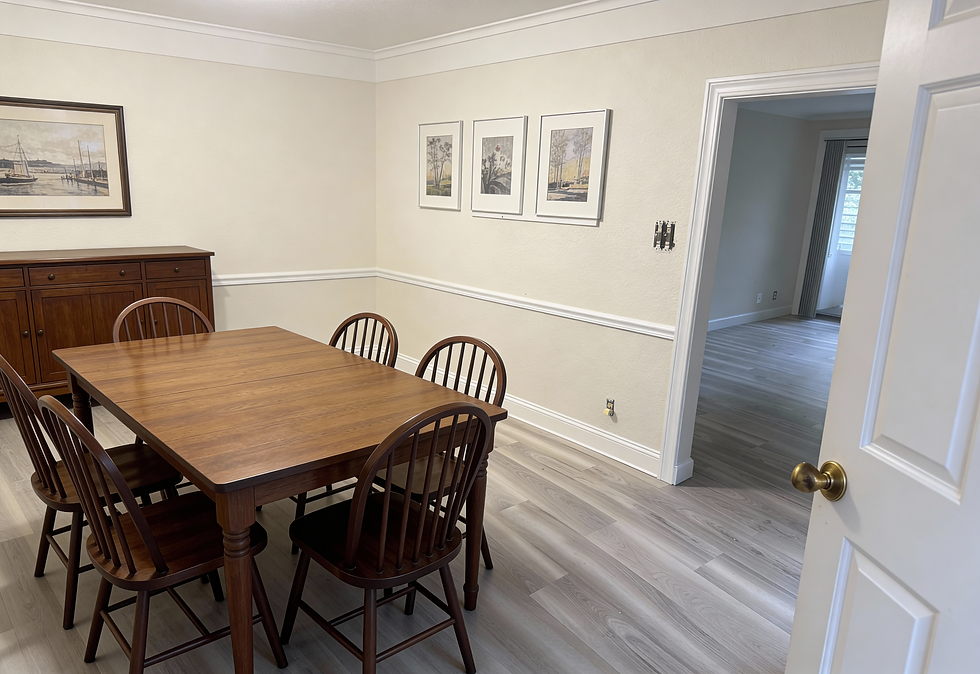
Top Options:
Engineered Wood – Classy and durable.
LVP with wood-look grain – Budget alternative with visual appeal.
Durable Vinyl Flooring – Resists food stains and spills.
Why it matters: You want elegance without stress over spills or scratches.
Avoid:
Thick carpet
Slippery surfaces
Laundry Room: Spill-Proof and Durable
Top Options:
Waterproof Sheet Vinyl
Rubber-backed Vinyl Tiles
Textured LVP
Why it matters: Water, detergent, and vibration are common. Choose slip-resistant, durable materials that are easy to clean.
Avoid:
Laminate without moisture barrier
Hardwood
Nursery or Kid’s Room: Safe, Quiet, and Easy to Clean
Top Options:
Cork Flooring – Soft, hypoallergenic, and sustainable.
Carpet Tiles – Replaceable and cushioned.
LVP with area rugs – Durable and low-maintenance.
Why it matters: You need safety and flexibility. Soundproofing is a plus during naps!
Avoid:
Hard surfaces
Slippery materials
Pet-Friendly Flooring: Scratch-Proof and Easy to Mop
Top Options:
Scratch-Resistant LVP
Stain-Resistant Carpet Tiles
Rubber Flooring (for utility or play areas)
Why it matters: Pet nails, accidents, and messes are part of the deal. Choose a floor that can handle it without stress.
Pets are wonderful, but they do require extra care to keep floors clean and in good condition. Click here to learn how to keep carpets clean with pets.
Trending Flooring Options for Homes
Wide-plank wood-look vinyl in minimalist interiors
Patterned sheet vinyl in vintage or bold homes
Matte-finish laminates that mimic artisan wood
Biophilic tones like warm oak and driftwood
Hybrid flooring that combines core strength and acoustic layers
To see how these flooring choices fit into broader home renovation trends, click here to explore what California homeowners are prioritizing in recent remodels.
Pros and Cons Summary by Material

Frequently Asked Questions
Q: What’s the best all-around flooring option for homes?A: Luxury vinyl plank (LVP) hits the sweet spot between durability, style, water resistance, and cost.
Q: Should I use the same flooring throughout the house?A: Open floor plans benefit from consistent flooring. But using different types per room adds functionality and character.
Q: What’s best for resale value?A: Hardwood and engineered hardwood lead in perceived value, especially in living and dining rooms.
Final Thoughts
When it comes to choosing the best flooring for each room, there's no one-size-fits-all answer. By understanding room-specific needs and knowing what type of flooring is best for house spaces like kitchens, bedrooms, and basements, you can make smart, stylish choices that last. Today’s flooring options for home are more customizable, moisture-proof, and design-forward than ever—making it easier to get the perfect balance of beauty and practicality in every room.
Whether you're upgrading one space or revamping your entire home, the right flooring can elevate comfort, increase property value, and simplify your daily life. Ready to get started?
Free Flooring Consultation
Learn how to transform your home with a simple upgrade
At Installing Flooring Solutions, we work with homeowners and commercial clients across Sacramento to evaluate carpet damage and recommend smart solutions — not oversell what you don’t need.


